We rely on big organizations like credit agencies to keep our personal data secure, but they don't always do a great job. It's wise to build a firewall between your accounts, and between those accounts and your online identities. Some tools and reading to help:
Posted May 31, 2020
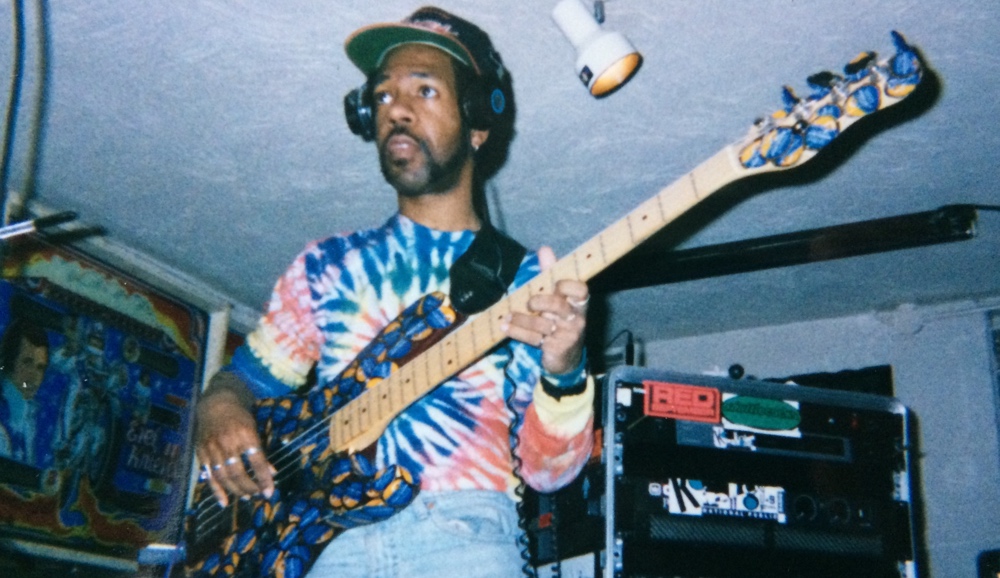
I recently discovered the YouTube channel of "BlackNeptune," aka Derek Poindexter, one of my musician friends from my Cleveland days.
Derek played bass with The Waynes, one of the most promising bands of Cleveland's indie rock scene. But he also played with a ton of other local bands (including one with me, on guitar). Everyone wanted Derek in their band. He was a professional, a badass player, funny, preternaturally unruffled, and rose above any scene drama. He passed away a few years ago from a lung disease.
I don't think I'll ever get used to looking at old social media posts and seeing comments left by friends who aren't with us anymore. It weird and unsettling to be able to see their last post or Tweet. But I guess it's inevitable, now that we all can leave a public digital footprint.
But sometimes, it's okay -- Derek's channel is a treasure trove of candid moments in Cleveland's vibrant music scene of the mid-90s.
I moved away decades ago and rarely saw Derek on visits -- he usually had a gig. Sometimes I think about the lost opportunities to talk with him again as older adults. I wonder what it was like for him to be a black man in the predominantly white indie rock scene. I wonder how he met his wife after years of being (seemingly?) notoriously single. I wonder about his transition to being an educator and a session player in musical theatre. I think about all the secondhand cigarette smoke he and I inhaled playing those Ohio clubs in the 90s long before any smoking bans. And while I don't dwell on it, I wonder how things might have gone differently.
Here is an early demo of "Swerve" by The Waynes, circa 1995. Putting an aggressive, popping bass line down on a strummy indie tune was something Derek excelled at.
Posted May 27, 2020
I strive for excellence in all things.
Posted May 20, 2020
Bookmarked faves from the #SixFanArts meme-storm. That Bill Cipher by Art Chao is fabulous.
Posted May 7, 2020
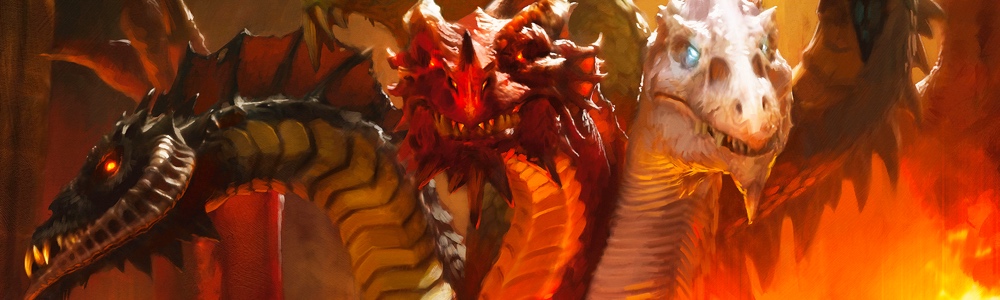
After a 20-year break, I started playing Dungeons & Dragons again. A group of co-workers allowed me to join their ongoing campaign and it wasn't long before those dusty, cobweb-covered wooden gears in my mind started turning again. Much like when I started drawing Neat Hobby!, I had the sensation that I should have been doing this all along.
Until just a few years ago it felt like D&D had actually contracted, remaining at the nerdy margins of culture and more underground than ever. But D&D has exploded, and I've been astounded by this new resurgence.
The prime mover is, without a doubt, social media: new generations of players posting their fan art and miniatures, livestreaming their games, creating their own materials, and generally just sharing their love for the game. As a teenager in a West Virginia high school, I was frustrated at how hard it was to communicate why this game -- a mostly improvisational game with no board and no "winning" -- was so awesome. "Show, don't tell" is an ineffective rule when people won't even look.
Today that can be resolved by attaching the #dnd and #ttrpg hashtags to your post about your half-orc bard. Whereas before you had to watch a game in-person, now you can watch any number of games streaming live on Twitch. You get to hear the in-game jokes, witness the absurd moments, and generally see players having fun. And not just "players" but a broad and diverse assortment of people, which is helping to erode away the stigma and (one hopes) some of the questionable and problematic aspects of the early game materials.
Like most things, D&D has to be experienced to really understand why people love it.
And the ecosystem! It's incredible. D&D was never a completely closed system, but player-made enhancements and material usually stayed separate and largely undiscoverable from the official source material. That changed with two things: the DM's Guild, where players can sell original works, and the System Rules Document/Open Gaming License, which is a kind of non-commercial share-alike version of the basic D&D rules that can be used to create original works.
Both options have some draconian (haha) legal stipulations, but the resulting explosion of player-authored adventures, supplemental rules, character classes and monsters has been unbelievable.
Do you want rules for roleplaying a marriage ceremony, or a guide on harvesting and crafting? Bored of the standard spells? How about 1000 new ones? Campaigns that are specific to worker's rights and the environment? Adventures based on Shakespeare? A rich sourcebook of nothing but taverns and inns? Or maybe you want to play as an alligator, or an acappella bard, or a elemental-biomechanical construct.
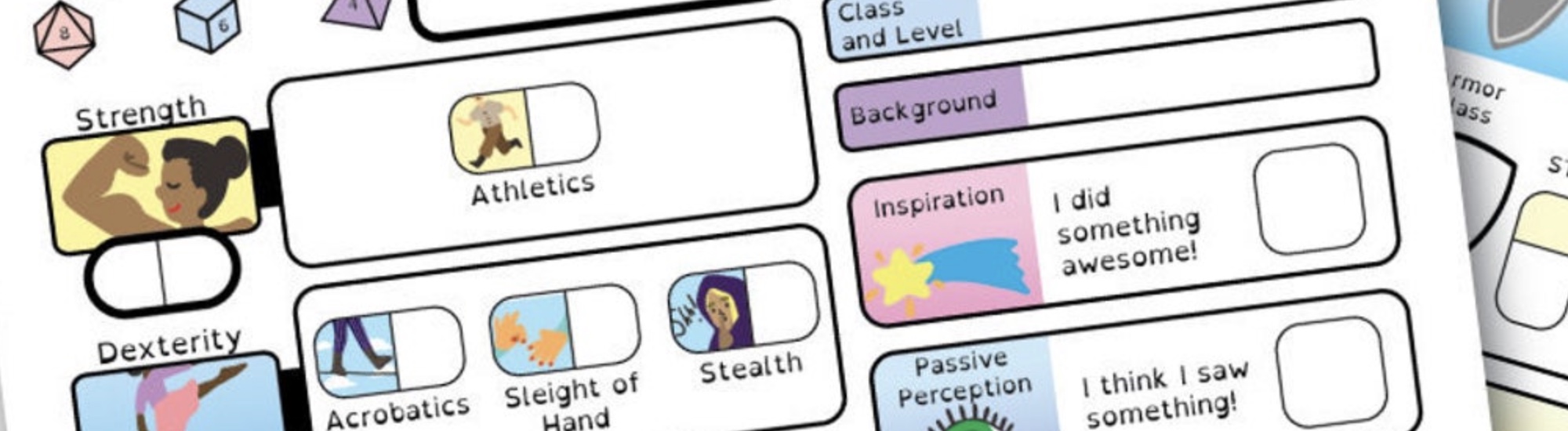
And if you want gear, Etsy's got you. Alternative character sheets and journals. Terrain. Some incredible-looking miniatures. So very many dice. Want to build your own terrain? Behold the crucible that is YouTube. Tips for drawing maps and painting miniatures.
It feels like too much. But it's really not, because all that's required is a group of friends rolling dice and making up stories. And although that's never not been the case, I can't imagine a better time to return to D&D.
Posted May 4, 2020
Modern-day adventuring equipment from around the web.
Posted May 1, 2020
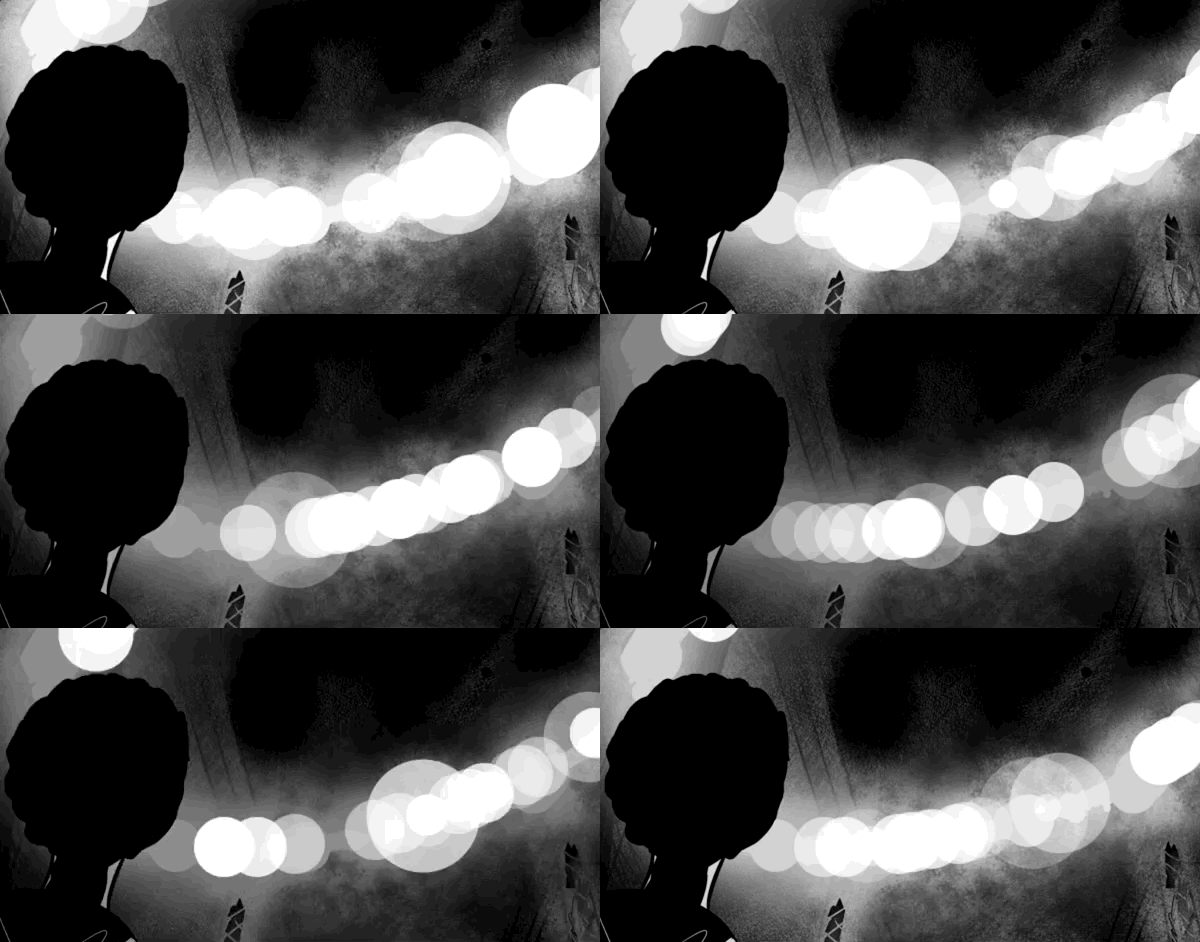
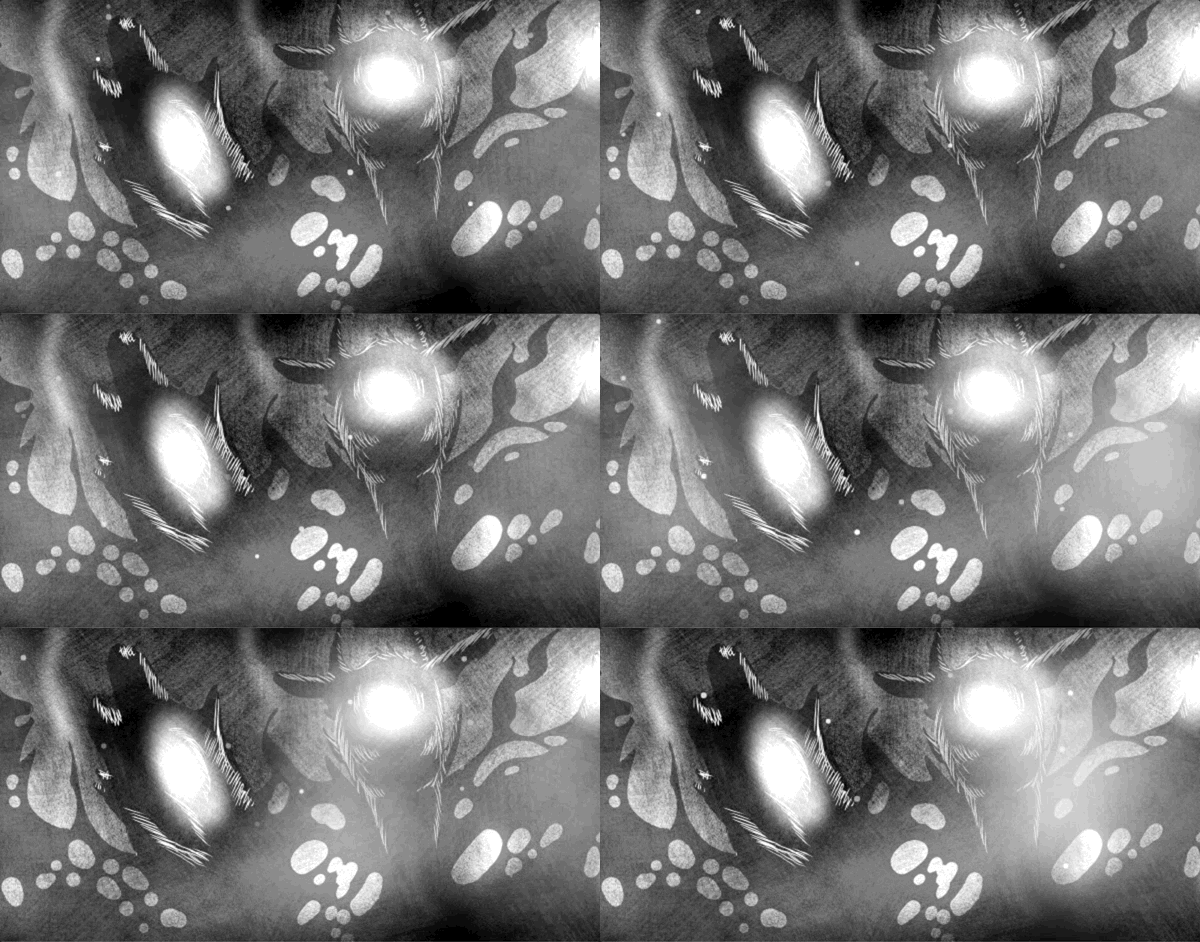
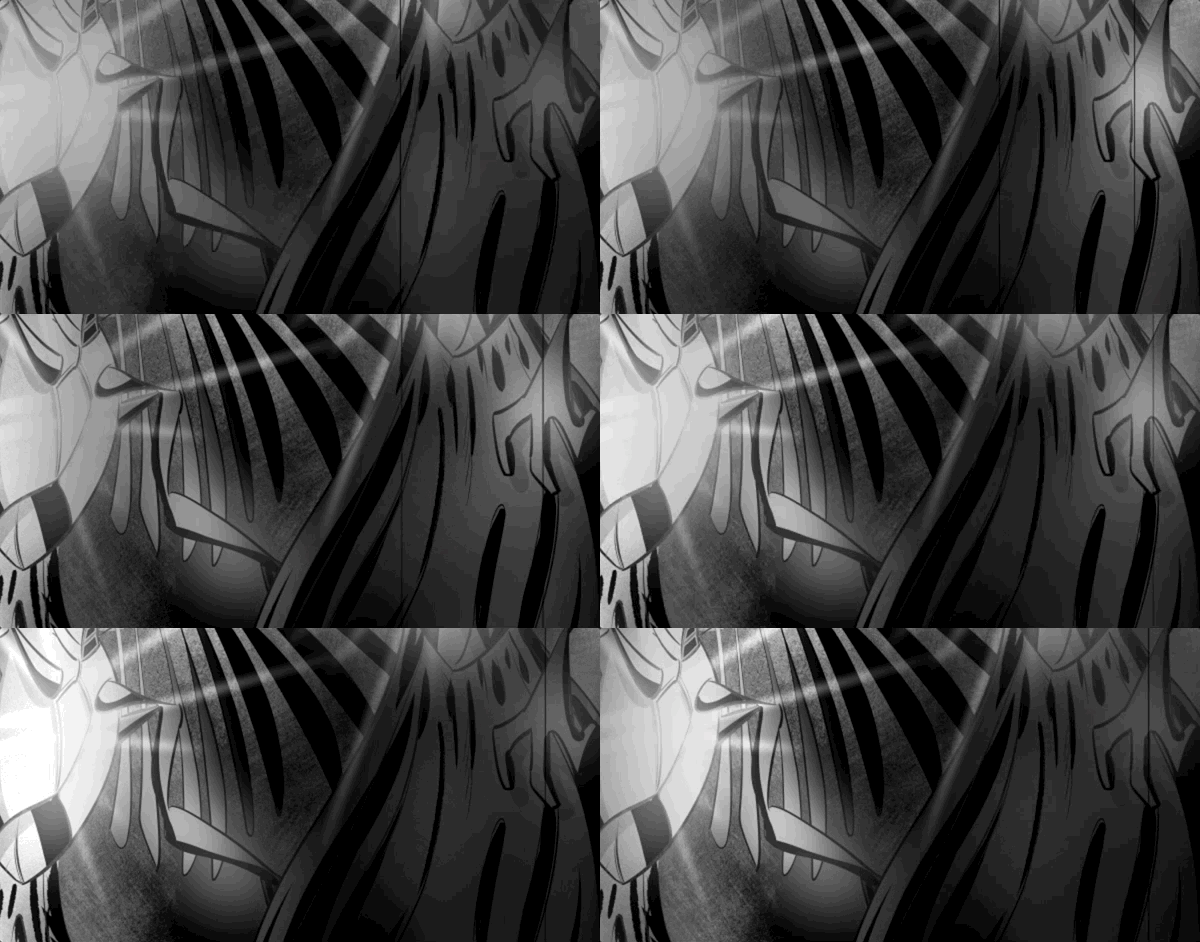
When I was promoting my Halloween comic THE LAST REUNION SHOW I wanted to show off some of the web animations I was using to give some life to the story. Normally this would lead me to installing some adware-laden GIF-maker app that I'd come to regret. But I'm really impressed with GIPHY Capture for making it stupid easy to create those animated GIFs that are the lingua franca of today's web.
It's just a floating frame that you position over the thing you want to make a GIF from. Click record and then export at the quality you want. It doesn't even add a watermark!
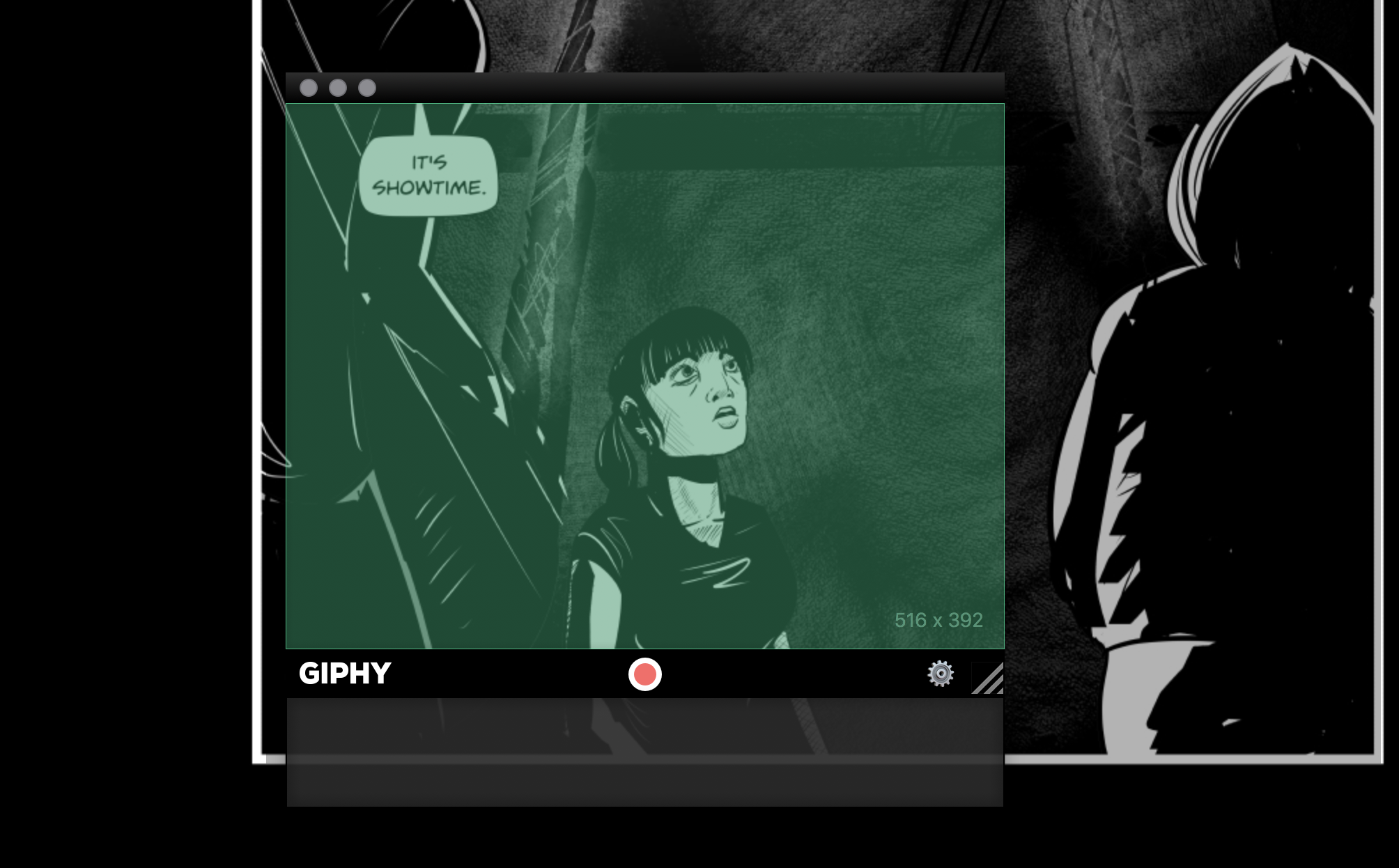
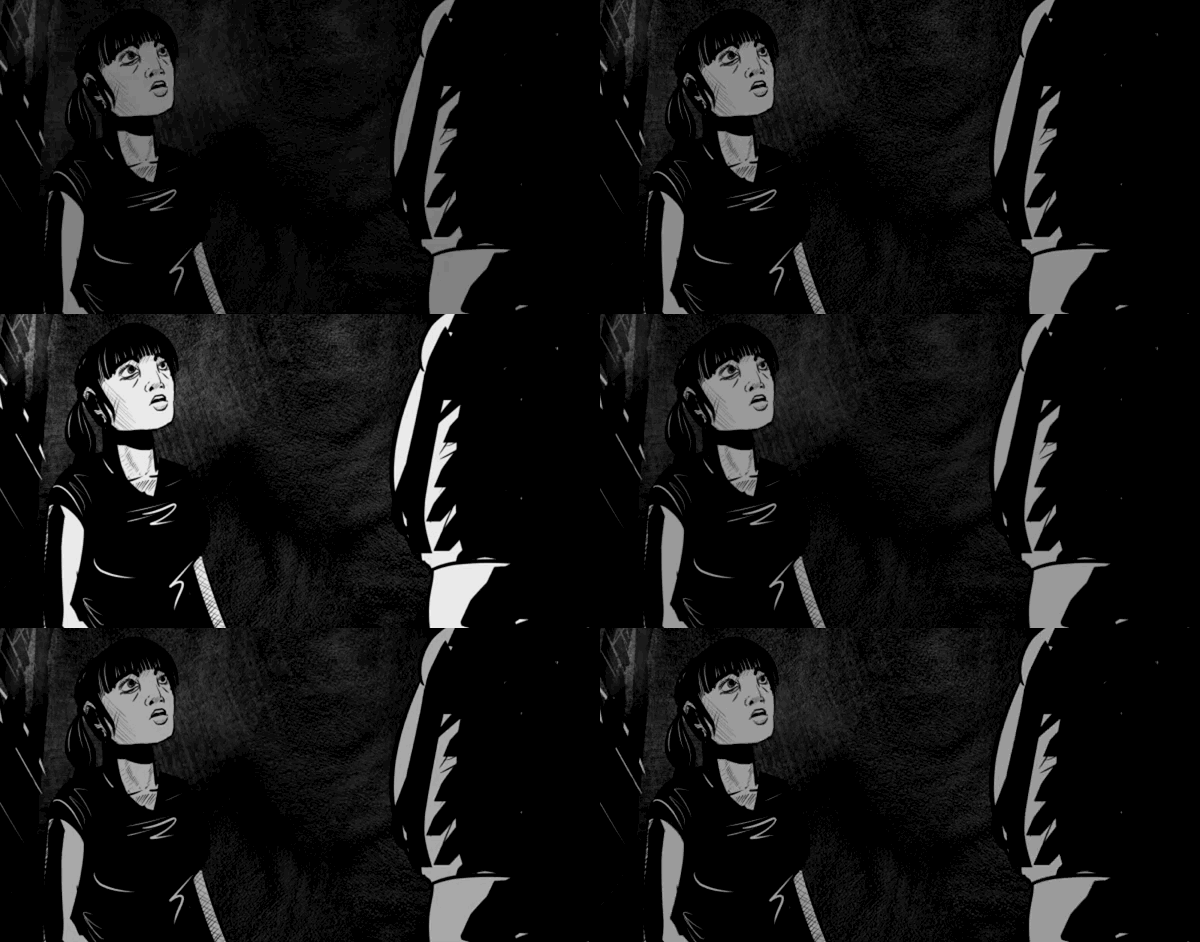
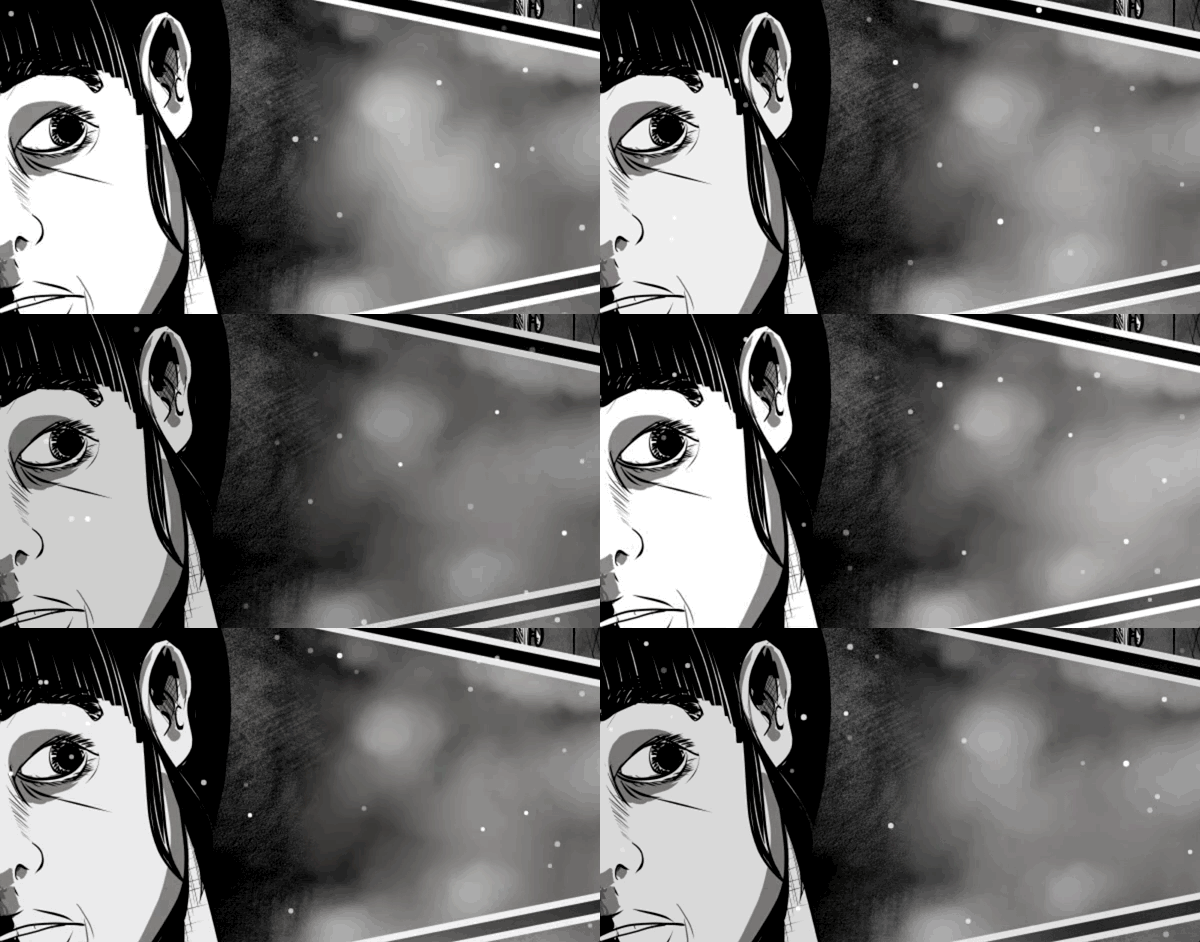
I made the following GIFs to promote my comic on social media.
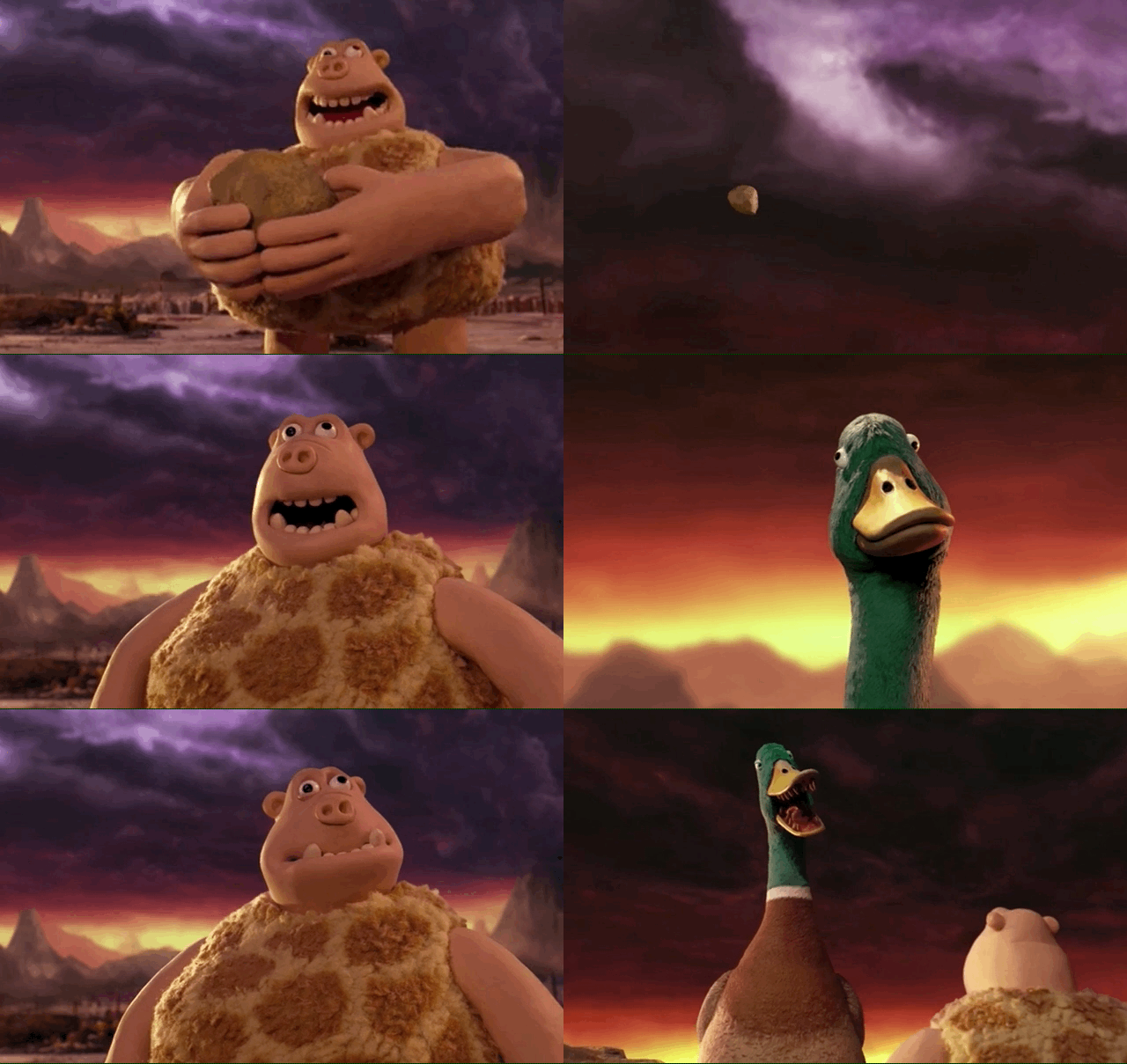
I also made this capture from Early Man because it's hilarious.
Anyway, use this and skip all the sketchy GIF apps with their weird, suspicious advertising.
Posted April 29, 2020
OneKilotonSun is my ambient electro-prog-pop music project, and last week I released a new track called Selenitic. Have a listen below:
Follow OneKilotonSun on Bandcamp to be informed when I release more music there.
There's a cipher puzzle somewhere on the Bandcamp page that leads to a discount for downloading. You'll need some basic cipher knowledge and access to Google to figure it out. Good luck!
Posted April 27, 2020